Shopping Smart
Most people think their eating decisions start in the kitchen.
They actually start in the grocery store.
The Reality of Grocery Stores
Grocery stores aren’t neutral environments.
They’re designed to influence your decisions and increase impulse buying.
That’s not a lack of discipline on your part. That’s marketing.
You’re not weak. You’re being guided toward certain choices.
How Stores Are Set Up
Once you start paying attention, the layout makes sense:
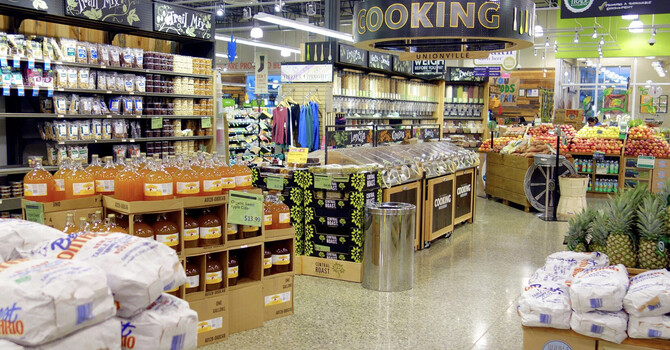
- Fresh foods are usually placed around the outer aisles
- Processed foods tend to fill the center aisles
- High-profit items are placed at eye level
- Impulse items are positioned at checkout
It’s all intentional.
The Goal
The goal isn’t to be perfect.
It’s to shop with intention instead of emotion.
Smart Shopping Strategies
Before You Go
What you do before you enter the store matters more than what you do inside it:
- Make a list
- Plan your meals
- Avoid shopping when you’re hungry
These steps reduce decision fatigue and impulse choices.
While You Shop
Once you’re in the store, keep things simple:
- Stick to your list
- Start with the outer aisles
- Be mindful around impulse sections
You don’t need to avoid everything. Just stay aware.
After You Shop
Your environment at home matters too:
- Store food properly so it lasts
- Keep healthier options visible and easy to reach
What you see first is often what you eat first.
Bonus Tips
A few small adjustments can make a big difference:
- Buy smaller portions if portion control is a challenge
- Compare labels instead of relying on front-of-package claims
- Be cautious with “low-fat” or “reduced” labels, they’re often misleading
Reading Labels (Simple Version)
You don’t need to analyze everything.
Start with the basics:
- Calories
- Fat
- Sugar
- Ingredients
A simple rule: the first ingredient listed is the highest in amount.
The Big Takeaway
Shopping well leads to eating well.
Most of your decisions are made before you ever take a bite.