Lean Beef Guide: How to Choose It and Use It Well
Beef often gets labeled as something to limit or avoid.
But the reality is, it depends on the cut.
When you choose the right types and keep portions in check, lean beef can fit into a healthy, balanced diet without any problem.
What “Lean” Beef Actually Means
“Lean” isn’t just a general term. It has a specific definition.
A lean cut of beef contains:
- Less than 10 grams of total fat
- No more than 4.5 grams of saturated fat
- Less than 95 milligrams of cholesterol per serving
Not all beef meets that standard, which is why selection matters.
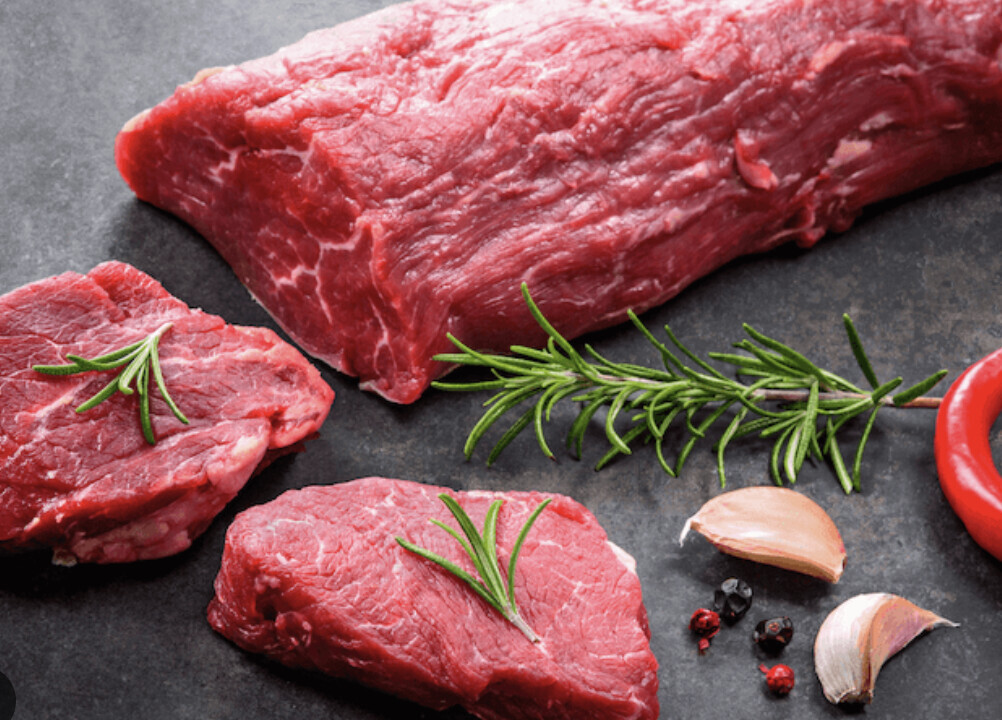
Lean Beef Options to Look For
If you’re trying to make better choices, these are some of the most reliable options:
- Sirloin
- Tenderloin
- Top round
- Bottom round
- Ground beef labeled 95% lean
These cuts tend to be lower in fat while still providing the flavor and satisfaction people enjoy.
Nutritional Value
A typical 3-ounce serving of lean beef comes in at around 179 calories.
It’s also:
- High in protein, which helps with fullness and muscle maintenance
- A good source of important nutrients like iron and choline
That combination makes it a practical option for many people trying to eat well without overcomplicating things.
Where People Go Wrong
The issue usually isn’t beef itself.
It’s portion size and cut selection.
Larger portions and higher-fat cuts can quickly increase calorie intake without people realizing it.
That’s where awareness makes the difference.
The Takeaway
Lean beef can absolutely be part of a healthy diet.
It comes down to choosing the right cuts and keeping portions in check.
When you do that, it becomes a simple, effective way to add protein and nutrients to your meals without working against your goals.