Exercise: The Basics (Without Overthinking It)
Most people make exercise harder than it needs to be.
They think they need the perfect plan, the right gym, the right time, and a full hour to make it count.
You don’t.
Who Should Exercise?
Everyone.
It doesn’t matter your age, your starting point, or how long it’s been since you’ve been active.
Movement helps.
And the benefits start sooner than most people expect.
What Actually Counts as Exercise?
Exercise doesn’t have to be complicated.
If it raises your heart rate and gets your body moving, it counts.
That could be a structured workout. Or it could be something as simple as a brisk walk.
The goal isn’t perfection. It’s movement.
The Two Types That Matter Most
If you want a simple framework, focus on these two.
Cardio (Aerobic Exercise)
This is anything that gets your heart rate up and keeps it there.
Walking, running, biking, swimming.
It helps your heart, your endurance, and your overall energy.
Strength Training
This is anything that challenges your muscles.
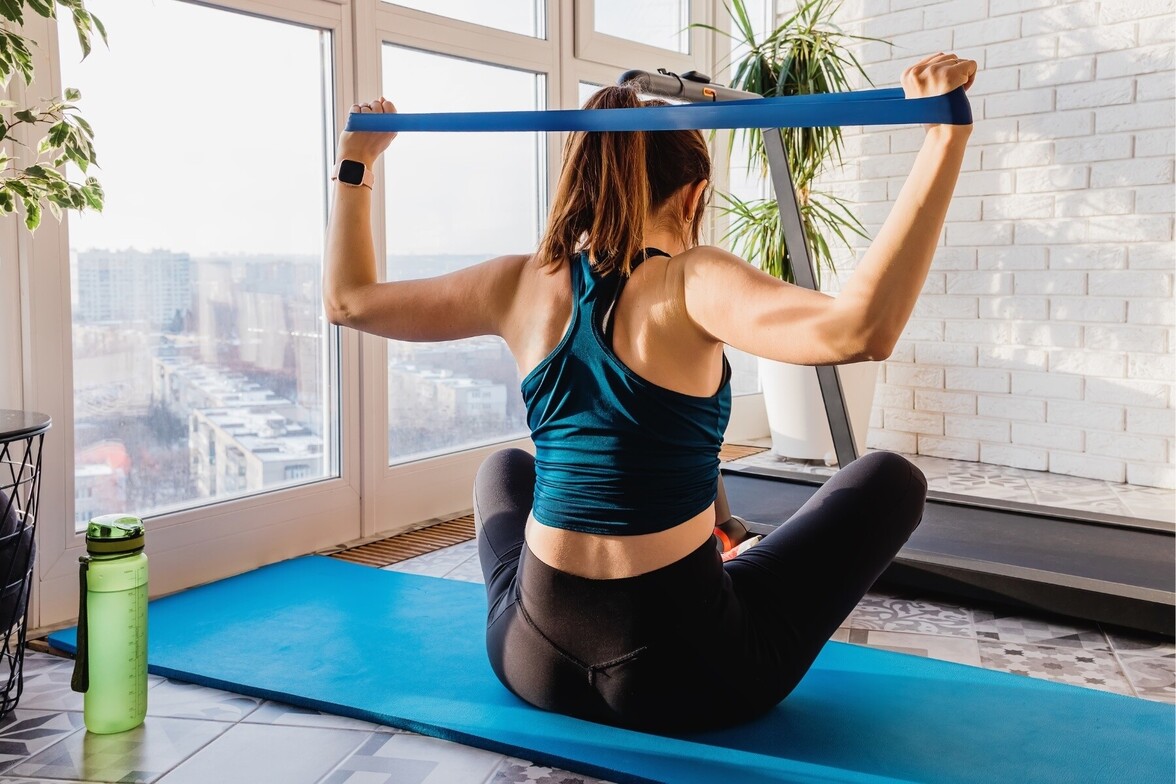
Weights, resistance bands, bodyweight exercises, yoga, Pilates.
It helps you build strength, support your joints, and maintain muscle over time.
The best approach includes both.
But you don’t need to do everything at once.
Where and When Should You Exercise?
There’s no perfect setup.
You can exercise:
At a gym or outside
In the morning or the evening
With a plan or more flexibly
What matters isn’t where or when.
It’s whether you keep doing it.
Consistency always beats the “perfect” routine.
How Hard Should It Feel?
You don’t need complicated tracking tools.
A simple guideline works:
Moderate intensity means your heart rate is elevated, but you can still talk.
If you want a rough number, you can estimate your max heart rate as 220 minus your age.
From there, aiming for about 60 to 85 percent of that range gives you a solid target for most workouts.
But don’t get stuck on the math.
How it feels is often enough.
What Most People Get Wrong
They wait until they can do everything “properly.”
A full workout. A full schedule. A full plan.
That delay is what keeps them from starting.
Start with what you can do now.
Then build.
The Takeaway
You don’t need perfect workouts.
You need consistent effort.
Keep it simple, keep it realistic, and keep showing up.