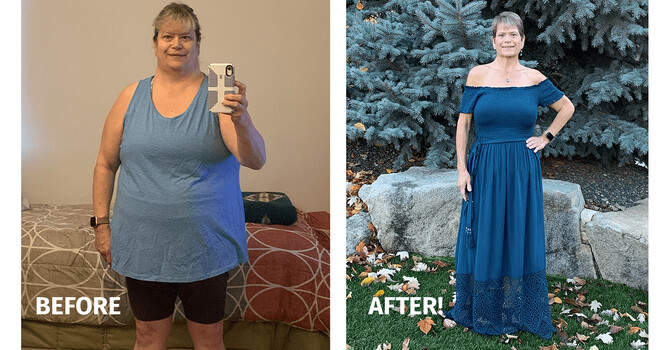
Embracing Change: Why It Feels So Hard (and How to Move Through It)
Change sounds good in theory.
More energy. Better health. Feeling more in control.
But once you start, it doesn’t always feel that way.
Because even positive change comes with discomfort.
Why Change Feels So Hard
You can feel excited and motivated… and at the same time feel anxious or resistant.
That’s not a contradiction. It’s normal.
Part of you wants the result.
Another part of you wants to stay where things feel familiar.
And those two parts don’t always agree.
The Push–Pull of Change
This is where most people get stuck.
You want improvement.
But you also want comfort.
You want better habits.
But you don’t want to give up what’s easy.
That internal push and pull creates tension. And if you don’t expect it, it can feel like something’s wrong.
There isn’t.
That tension is the process.
Why Staying the Same Feels Easier
Even when your current habits aren’t working, they feel familiar.
They’re predictable.
They’re comfortable.
They don’t require much thought.
And your brain is wired to prefer that, even if it’s not ideal.
That’s why change feels harder than staying stuck.
Two Types of Motivation
Not all motivation works the same way.
Some of it comes from pressure:
“I should do this.”
“I have to change.”
That kind of motivation usually creates resistance.
It feels forced.
The kind that lasts comes from choice:
“I want this.”
“I’m choosing this.”
That shift changes how you approach the process.
It feels more like ownership, less like obligation.
Change Isn’t a Straight Line
A lot of people expect change to look like a clean progression.
From resisting… to motivated… to fully committed.
That’s not how it works.
You move forward.
You pull back.
You question things.
You re-engage.
That back-and-forth is part of building something that actually lasts.
Seeing the Bigger Picture
When you step back and reflect, change becomes clearer.
There are benefits, but also trade-offs.
There are things you gain, and things you have to let go of.
Looking at both sides helps you make more honest decisions and learn from what’s worked or hasn’t in the past.
Change Affects More Than You Think
It’s not just about food or exercise.
Change touches:
Your mindset
Your physical health
Your emotions
Your social life
Your daily routines
That’s why it can feel bigger than expected.
Two Ways to Respond
When things feel uncomfortable, you usually have two options.
You can resist it:
Focus on what’s hard
Stay where you are
Feel frustrated
Or you can lean into it:
Stay open
Look for opportunities
Allow yourself to grow through it
Neither feels easy. But only one moves you forward.
How to Move Through It
You don’t need a perfect plan. You need a workable one.
Set a clear goal.
Learn from what you’ve tried before.
Keep your plan realistic.
Build support around you.
Expect setbacks instead of being surprised by them.
And pay attention to progress, even when it’s small.
That’s what keeps you moving.
The Takeaway
Change isn’t about getting everything right.
It’s about staying open and continuing forward, even when it’s not perfect.
Because the people who succeed aren’t the ones who avoid discomfort.
They’re the ones who learn how to move through it.